
Where do you look for collectible coins? eBay is probably the first idea coming to your mind. Prices are good enough, and the reach is global, both perfect for new collectors. But then you think of counterfeits, forged slabs, fake sellers, and deceptive listings.
Online scams are much more popular than you even think. How do you avoid all those risks as a beginner? Experienced buyers have strategies and know how to see the real coin value, and we are ready to share some hacks with you.
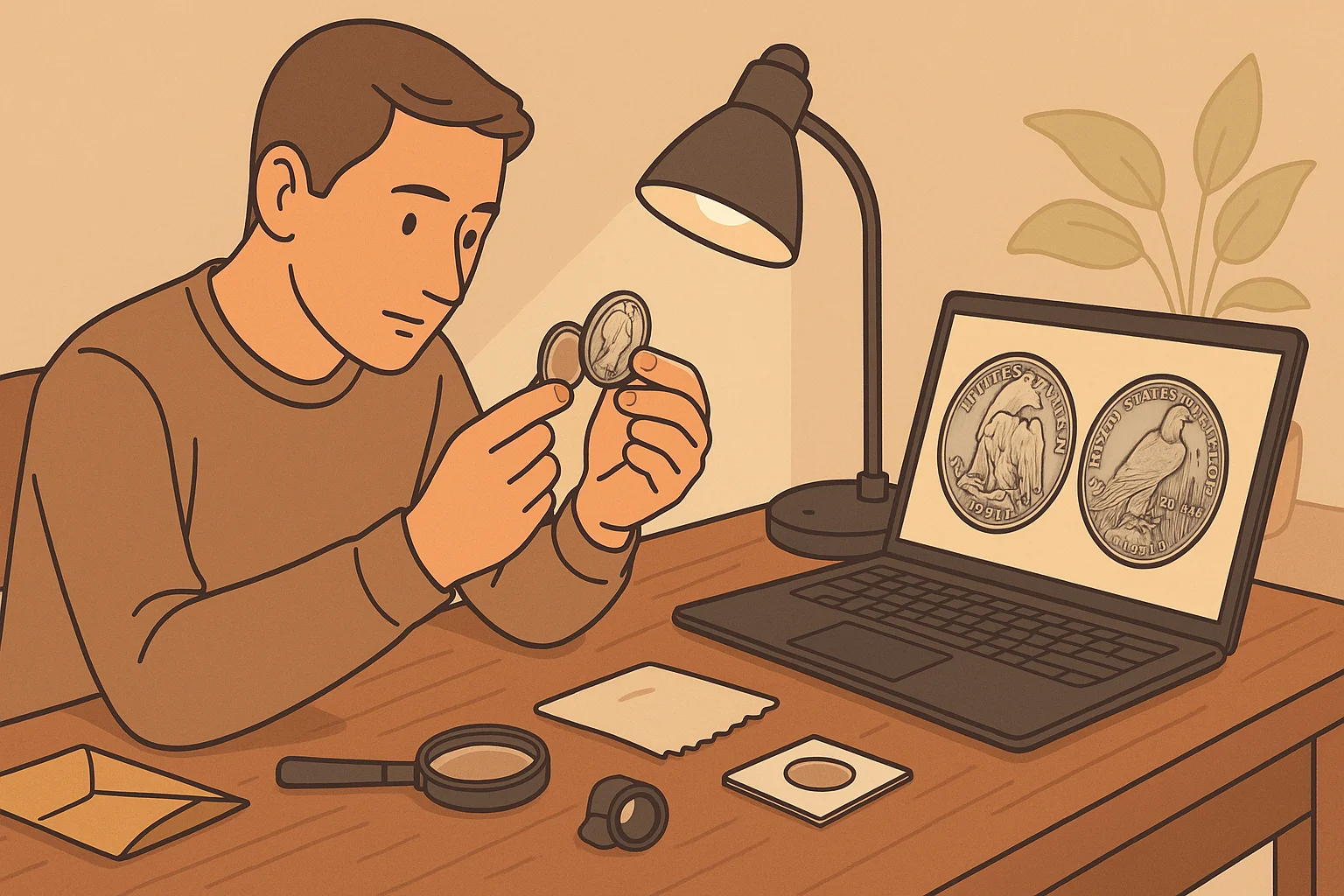
Research Sellers and Platforms Thoroughly
Before buying any coin online, focus first on the credibility of the seller. A strong seller reputation reduces the chances of receiving counterfeit or misrepresented pieces, especially when purchasing raw coins. Established platforms like eBay, MA-Shops, or certified dealer websites offer built-in protections, but you still need to examine each seller individually.
Key signs of a reliable seller include:
- Consistent high-feedback scores (99%+)
- Hundreds or thousands of completed sales
- Clear photos of the actual coin—not stock images
- Detailed descriptions covering grade, toning, and any flaws
- Long-standing membership in numismatic communities
Cross-checking sellers is an essential risk-reduction habit. Use:
- Better Business Bureau (BBB) profiles
- Reviews or warnings in numismatic forums
- Past auction results to confirm pricing realism
- A quick photo through a coin scanner app to confirm characteristics
Avoid sellers who:
- pressure buyers into fast decisions
- offer off-platform deals
- provide blurry photos or identical images across multiple listings
- dramatically underprice rare coins without explanation
These signs often indicate a scam or a counterfeit coin waiting to be shipped.
Understanding where you buy matters just as much as whom you buy from. Marketplaces with strong buyer protection and clear dispute processes limit your financial exposure. Safe environments give you room to test new sellers while maintaining confidence that you can challenge transactions if something goes wrong.
Secure Payment and Buyer Protections
After evaluating a seller’s credibility, the next priority is protecting every transaction. The safest online coin purchases rely on payment systems that include built-in dispute resolution. These safeguards become crucial when dealing with higher-value coins, uncertified pieces, or listings with limited photos.
Use payment methods that support buyer protection:
- PayPal Goods & Services for eligible refunds
- Marketplace escrow for high-value purchases
- Credit cards with chargeback support
- Tracked, insured shipping for physical security
Avoid risky methods:
- wire transfers
- gift cards
- untraceable crypto payments
- seller requests to “take the deal off-platform”
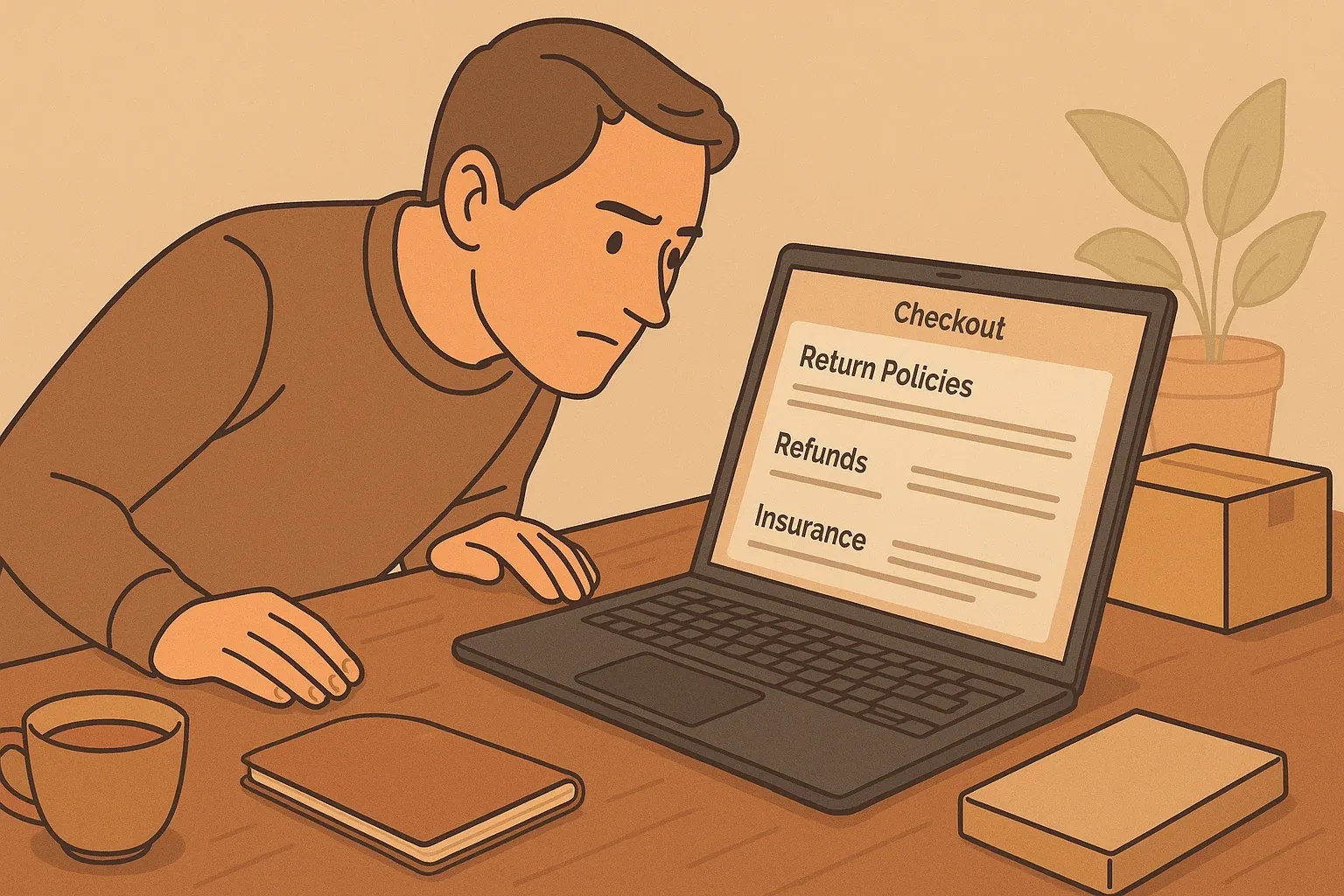
Before finalizing the purchase, review platform policies. A strong return window—ideally 30 days or more—gives buyers time to evaluate coins under proper lighting and magnification. Insurance is equally important, especially for slabbed coins or gold pieces. Tracking protects both parties and reduces delivery disputes.
Reading listings carefully prevents misunderstandings. Key areas to check include:
- grading disclosures
- mention of toning or cleaning
- shipping conditions
- seller photography policies
- disclaimers like “no returns” or “sold as is”
Hidden details in these sections often reveal the true risk level.
Spot Common Scams and Verify Purchases
Even experienced collectors encounter deceptive listings, manipulated photos, and suspicious pricing. Recognizing these patterns early prevents costly mistakes. Many scams rely on psychological pressure rather than skill, pushing buyers to act quickly before inspecting the coin closely. Understanding these tactics strengthens your ability to navigate online marketplaces safely.
Common red flags include:
- “Too good to be true” pricing on rare dates or high-grade pieces
- Listings with only one photo, low resolution images, or photos taken at angles that hide flaws
- Urgency tactics, such as limited-time offers or private messages suggesting faster, off-platform deals
- Fake slabs that imitate PCGS or NGC holders but show incorrect fonts, misspelled labels, or wrong certification numbers
- Stock photos reused across multiple seller pages
Once a coin arrives, verification should be immediate. Verification routine upon arrival should include:
- Weigh the coin and compare to mint specifications.
- Measure diameter and thickness using calipers.
- Inspect surfaces for tooling marks, unnatural shine, or cast texture.
- Check the slab serial number in the PCGS or NGC database.
- Document everything with photos for your own provenance records.
Digital tools simplify this step. By scanning the coin with Coin ID Scanner, collectors can confirm minting years, metal composition, diameter, weight, and price benchmarks using its 187,000-coin global database. The app’s AI Coin Helper and smart filters streamline side-by-side comparisons so buyers can evaluate authenticity with greater accuracy.
Build Safe Habits Long-Term
Successful online coin buying comes down to consistency. Applying the same verification steps over time builds strong instincts and reduces risk across multiple purchases. A structured approach also makes your collecting journey more organized and transparent, especially when dealing with higher-value coins or expanding into new series.
Long-term safety habits include:
- Starting with small purchases to test a new seller’s reliability
- Cataloging each acquisition digitally, including photos, prices, and provenance details
- Saving all transaction records, including communication screenshots, receipts, and shipping details
- Following numismatic communities like CoinTalk, Reddit r/coins, or ANA newsletters for scam alerts and market updates
- Insuring valuable coins and shipping only with tracking and protection
- Reporting fraud to platforms, the FTC, or IC3 to help protect the wider collector community
Digital cataloging adds another protective layer. The best coin identifier app allows collectors to store photos, identify coins instantly, and organize finds according to mint mark, date, type, or value. This makes it easier to trace purchases, verify past listings, and document changes over time.
Safe Online Buying Checklist
| Stage | What To Do | Why It Matters |
| Before Buying | Research seller, check ratings, inspect listing photos | Avoids unreliable sources |
| During Purchase | Use protected payment methods, verify certification | Prevents irreversible losses |
| Upon Arrival | Test weight, diameter, authenticity | Catches counterfeits early |
| Long-Term | Track provenance, monitor sellers, stay informed | Builds secure collecting habits |
The online coin market offers enormous opportunities—rare varieties, competitive prices, and global access—but only when buyers approach it with informed caution. Researching sellers, demanding verified certification, and using secure payment methods guard against the majority of scams.
Technical checks, from weight measurements to photo comparisons, reinforce these defenses once a coin is in hand. Digital tools such as Coin ID Scanner add precision to every step, helping collectors verify composition and provenance quickly.
By developing consistent long-term habits, collectors reduce risk and stay confident while navigating online platforms. A blend of careful research, smart technology, and structured verification ensures every purchase adds genuine value to your collection.